Climate laboratory at school

Why We Are Doing This

The Sundarbans, the world’s largest mangrove forest, faces increasing climate vulnerability due to frequent cyclones and environmental degradation. These natural disasters not only threaten livelihoods but also lead to long-term soil infertility, forcing communities to migrate. Similarly Purulia, Kochi, Gurugram Pune, and Bangalore – all these places are facing different threats due to climate change. Recognizing the urgent need for climate education and resilience, we aim to establish climate laboratories in schools to empower students with knowledge and tools to monitor and adapt to their changing environment.

What We Are Doing

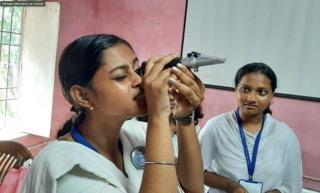
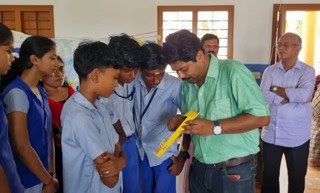
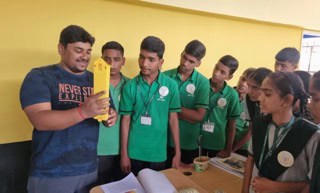
We have set up climate laboratories in underprivileged schools, equipped with tools to measure weather, water, air, soil, and biodiversity parameters. The initiative includes training components that focus on environmental monitoring, risk identification, and low-cost solutions for climate resilience. Students are organized into groups focusing on specific environmental components—air, water, soil, weather, and biodiversity—allowing them to actively engage in data collection and analysis while fostering a deeper understanding of local climate issues.


Where We Are Doing This

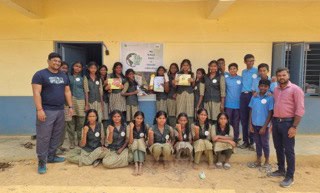
Currently, climate laboratories have been established in twelve schools located in West Bengal, Pune, Kochi, Bangalore, and Gurugram. Each school is situated in a different geographical zone with unique climate challenges, such as heatwaves, droughts, and flooding. This localized approach ensures that the monitoring activities are relevant to the specific environmental issues faced by each community.

How Much Impact We Are Having

Currently, climate laboratories have been established in twelve schools located in West Bengal, Pune, Kochi, Bangalore, and Gurugram. Each school is situated in a different geographical zone with unique climate challenges, such as heatwaves, droughts, and flooding. This localized approach ensures that the monitoring activities are relevant to the specific environmental issues faced by each community.

Scroll to Top