Sustainable agriculture using low-cost technology

Why We Are Doing This

The rapid growth of the global population threatens food security, particularly in India, where farmers heavily rely on chemical fertilizers. While these fertilizers provide quick nutrient solutions, they also contribute to environmental degradation, soil erosion, and health risks for both farmers and consumers. Transitioning to sustainable agricultural practices is essential to mitigate these negative impacts. Additionally, there are successful examples of farmers adopting organic methods, but challenges such as slow nutrient release and high production costs hinder widespread adoption. Our initiative aims to address these issues by enhancing soil health through the use of biofertilizers and biopesticides.

What We Are Doing

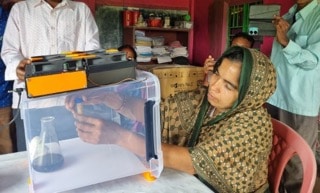
We have developed a low-cost, indigenous method for producing biofertilizers and biopesticides using a simple media composed of molasses, gram flour, and potato extract. This method allows for rapid microbial growth without the need for sophisticated equipment, making it accessible for rural farmers. Our goal is to establish microbiological laboratories operated by trained farmers to produce these beneficial microbes at scale. This approach not only enhances crop productivity but also promotes environmentally friendly farming practices.

Where We Are Doing This

We have developed a low-cost, indigenous method for producing biofertilizers and biopesticides using a simple media composed of molasses, gram flour, and potato extract. This method allows for rapid microbial growth without the need for sophisticated equipment, making it accessible for rural farmers. Our goal is to establish microbiological laboratories operated by trained farmers to produce these beneficial microbes at scale. This approach not only enhances crop productivity but also promotes environmentally friendly farming practices.

How Much Impact We Are Having

By the first half of 2025, our efforts have benefited approximately 600 farmers. We have trained 35 individuals who are now actively producing biofertilizers and biopesticides. The establishment of microbial laboratories has led to a reduction in farming costs by 21-46%, with nearly 70% of farmers ceasing the use of chemical inputs. Depending on the crop, our innovation has resulted in a production increase of 160%-210% compared to traditional organic practices. Furthermore, water usage has decreased by 30% compared to chemical fertilizer regimes, demonstrating significant environmental benefits while promoting sustainable agriculture practices among local communities.


Scroll to Top