
Our NGO is dedicated to addressing critical environmental issues through action research and implementation strategies. Our focus areas include climate change mitigations and adaptation, sustainable livelihoods, wetland conservation, and environmental education
Action Research

Our NGO engages in action research to tackle pressing environmental issues. We collaborate with universities to study air pollution in cities across Eastern India. This research involves mapping air quality and identifying effective solutions to reduce pollution levels. We also focus on sustainable strategies to address climate change impacts. Climate change poses significant threats, affecting food security, increasing inequality, and limiting access to essential resources. Our research highlights the need for local, evidence-based solutions that enhance community resilience. We document successful projects from grassroots communities to capture their unique insights and experiences. By analyzing these initiatives, we aim to create a network of knowledge that can be shared nationwide. Our ultimate goal is to amplify the “Voice of Commons” and ensure that local wisdom informs broader climate action. Through this work, we hope to inspire transformative change in how communities respond to environmental challenges.
Implementation
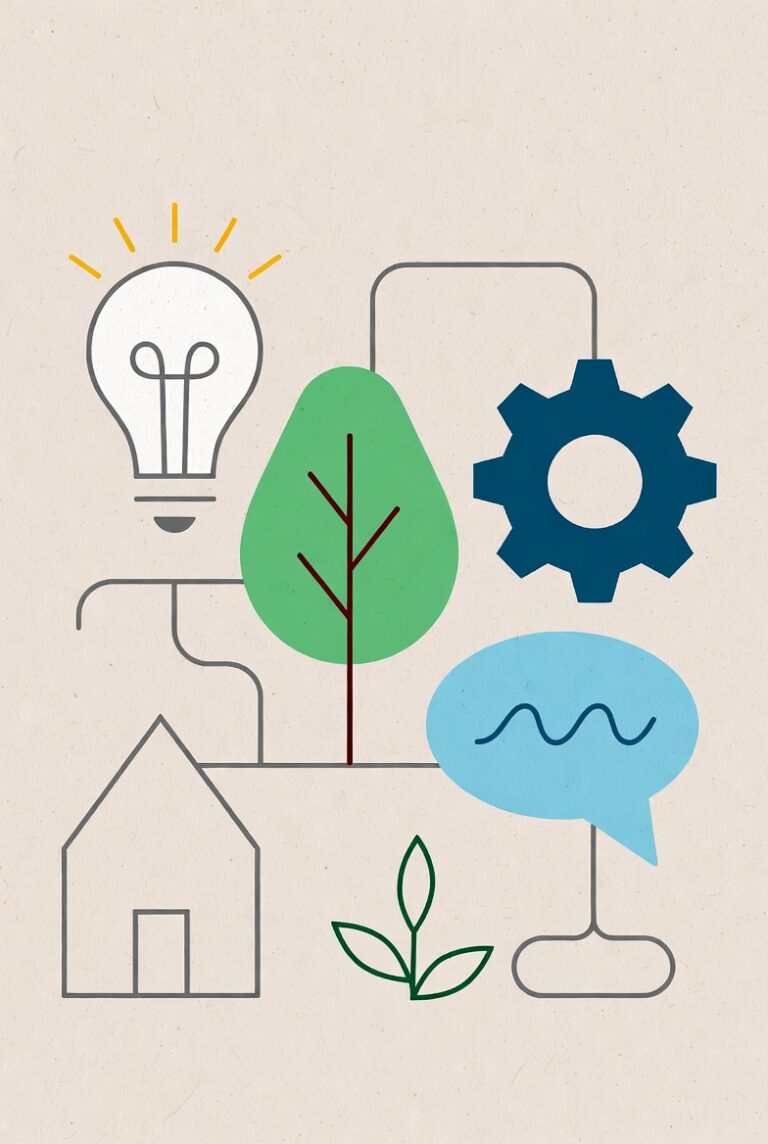
In our implementation efforts, we focus on three key areas: sustainable livelihoods, wetland conservation, and environmental education. We work closely with smallholder farmers to promote sustainable agricultural practices that improve their livelihoods. Our initiatives empower women by providing them with resources and training to enhance their economic opportunities. Wetland conservation is crucial for maintaining biodiversity and supporting local ecosystems. We engage students in underprivileged areas through environmental education programs that raise awareness about climate issues. By fostering a sense of responsibility towards the environment, we aim to inspire the next generation of environmental stewards. Additionally, we strengthen local organizations by enhancing their capacity to address climate change effectively. Our approach ensures that communities are equipped with the tools they need for sustainable development. Through collaboration and knowledge sharing, we strive to create lasting positive impacts in the regions we serve. Ultimately, our goal is to build resilient communities that can thrive in the face of environmental challenges.
Our Impact

Our organization has made significant strides in promoting sustainable practices and raising awareness about climate change. We have established ten Do-it-Yourself microbiology laboratories in Raiganj and Bankura, West Bengal. These labs empower 600 farmers to produce their own bio-fertilizers and bio-pesticides, reducing chemical usage and costs while improving soil health. Our efforts have reached hundreds of organic farmers through participation in fairs, further expanding our impact.
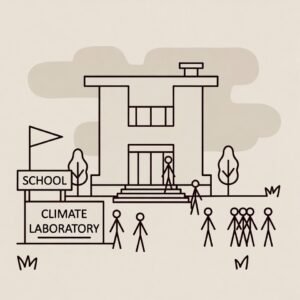
In schools across India, we have set up 12 environmental laboratories in under-privilage schools that include IoT-enabled weather stations and monitoring facilities. This initiative has enhanced climate literacy for 1,600 students and trained 45 teachers. Our climate communication platform, Sobuj Prithibi, has produced over 200 articles in Bengali, reaching 3.8 million readers and conducting numerous workshops on climate resilience.

We also host an annual Climate Art installation in Kolkata, attracting between 10,000 and 15,000 visitors each year. This event serves as a community engagement tool, promoting awareness through creative expression. Our knowledge dissemination efforts include publishing critical reports on air pollution and climate risks, with three reports and four peer-reviewed publications released recently.

Through citizen science initiatives, we have trained over 1,000 individuals to monitor water quality and air pollution in their communities. Our urban farming program has educated 55 participants on sustainable gardening practices while distributing seeds and biofertilizers to more than 100 households. Each of these initiatives contributes to building a more resilient community capable of addressing environmental challenges effectively