The Climate Thinker

Biogas for Sustainable Farming and Rural Livelihoods

Why We Are Doing This

Rural households and farmers often depend on LPG for cooking and chemical fertilisers for agriculture, increasing household expenses while contributing to environmental degradation and declining soil health. We believe that sustainable farming should not only protect the environment but also improve farmers’ livelihoods. By converting organic waste into clean energy and nutrient-rich bio-fertiliser, we help farming communities reduce costs, restore soil health, and adopt more climate-friendly agricultural practices.


What We Are Doing

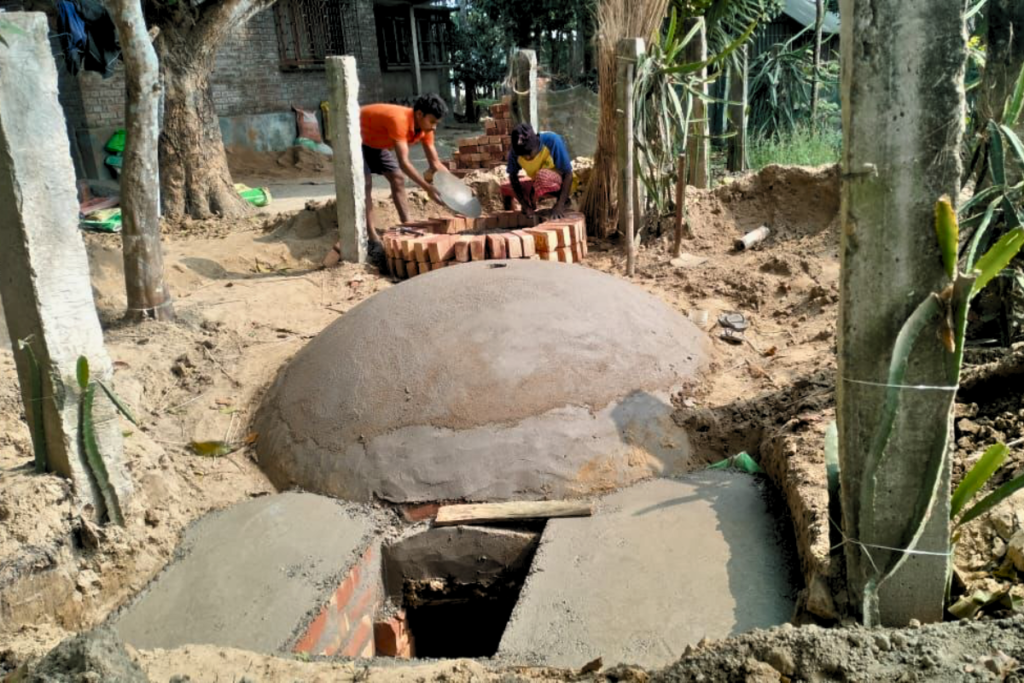
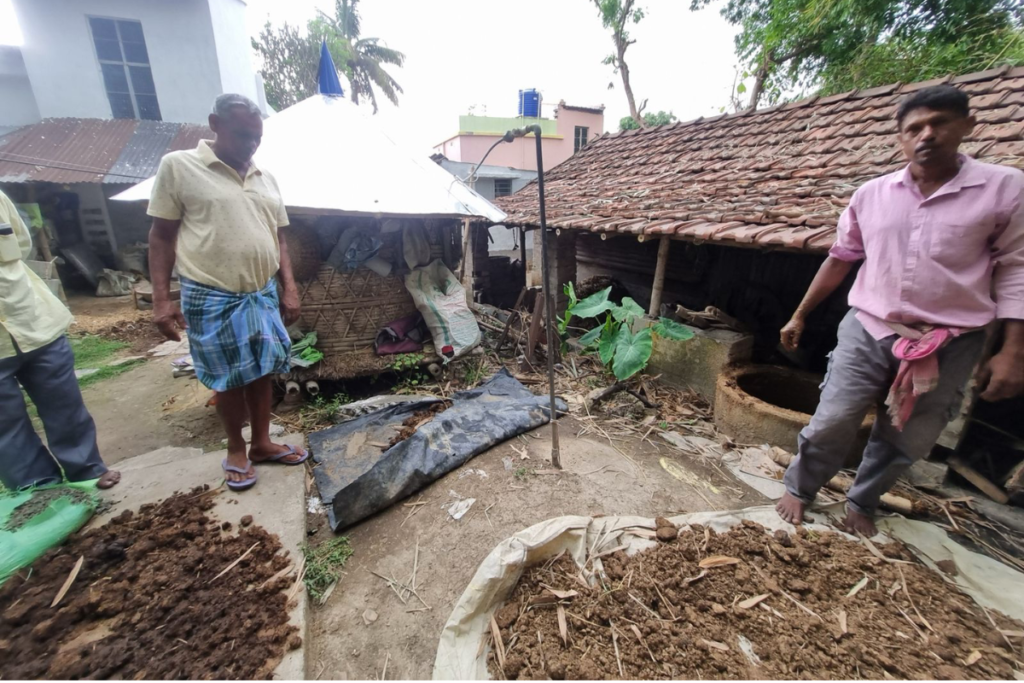
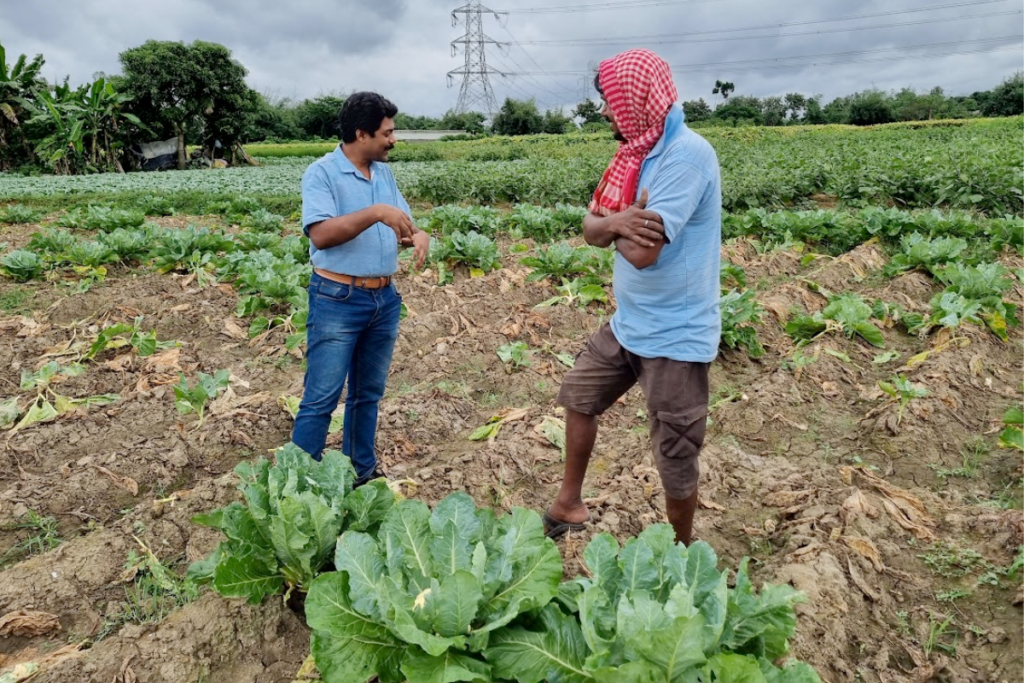
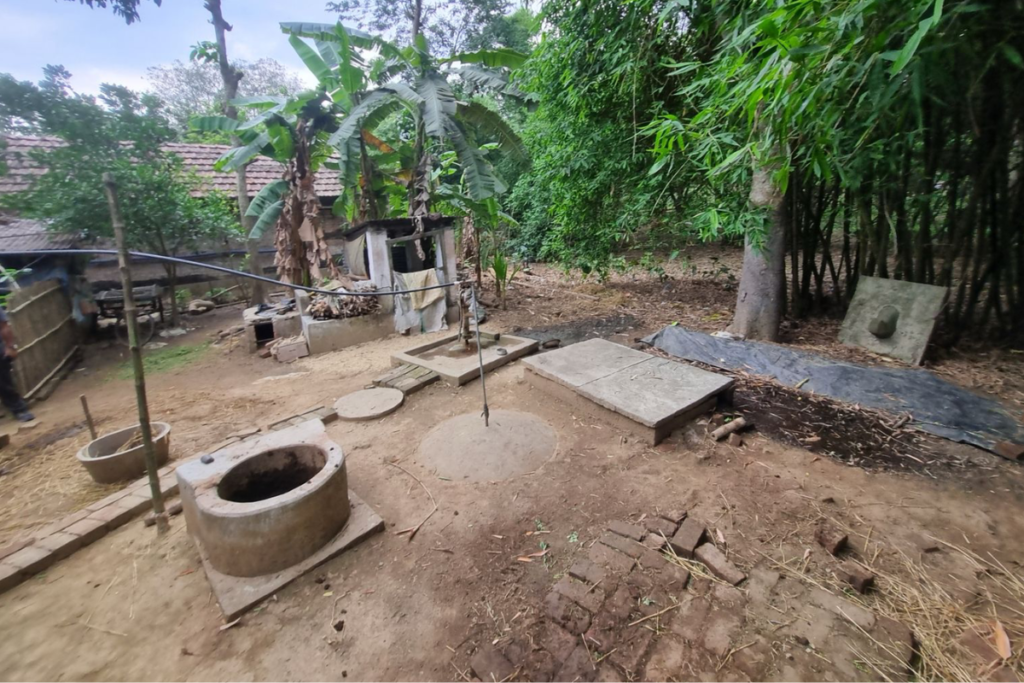
Our initiative promotes biogas-based sustainable farming by installing household biogas plants and training farmers in organic farming practices. The biogas plants convert cattle waste into clean cooking gas, reducing dependence on LPG, while producing bio-slurry, a nutrient-rich by-product. We train farmers to prepare their own organic fertiliser, which becomes even more effective when combined with bio-slurry. This integrated approach helps farmers replace chemical fertilisers, improve soil fertility, and reduce farming costs while adopting environmentally sustainable practices.

Where We Are Doing This

The project is being implemented in Bankura and Patharpratima, West Bengal, where we work directly with farming households to promote renewable energy and sustainable agriculture. Through biogas installations and farmer training, we are building resilient rural communities while encouraging climate-friendly farming practices.

How Much Impact We Are Having

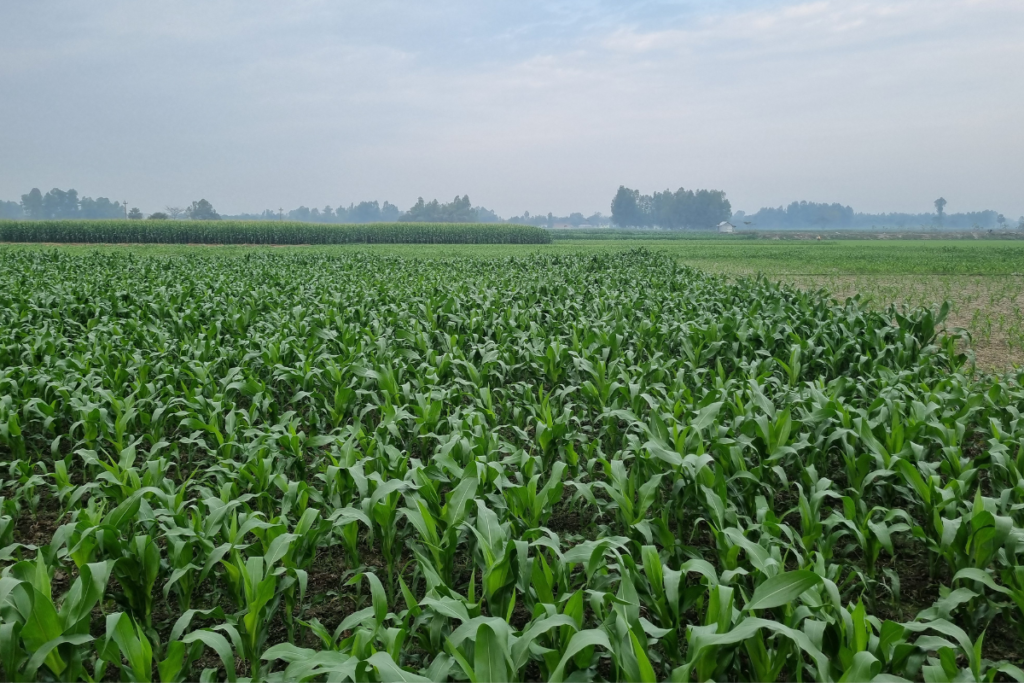
Our biogas initiative is improving both livelihoods and environmental sustainability. Each household biogas plant can save up to 10 LPG cylinders every year for a family of four, significantly reducing household energy costs. During periods of global conflict, when LPG supplies were disrupted and prices increased, families with biogas plants continued to have a reliable source of clean cooking fuel, making them less vulnerable to fuel shortages. Farmers also save money by producing their own organic fertiliser instead of purchasing chemical alternatives, while the combination of bio-slurryand farmer-made organic compost improves soil fertility and crop productivity. By reducing dependence on fossil fuels and chemical fertilisers, restoring soil health, and lowering farming costs, the initiative is creating a sustainable model that benefits both rural communities and the environment.

Scroll to Top