Climate Awareness Campaigns: Inspiring Communities to Act
Why We Are Doing This
Climate change is a challenge that affects everyone, but awareness alone is not enough. Many environmental issues remain invisible in everyday life, making it difficult for people to understand their local impacts. We believe that bringing climate conversations into public spaces through creative and interactive campaigns can inspire communities to observe, discuss, and take action towards a more sustainable future.
What We Are Doing
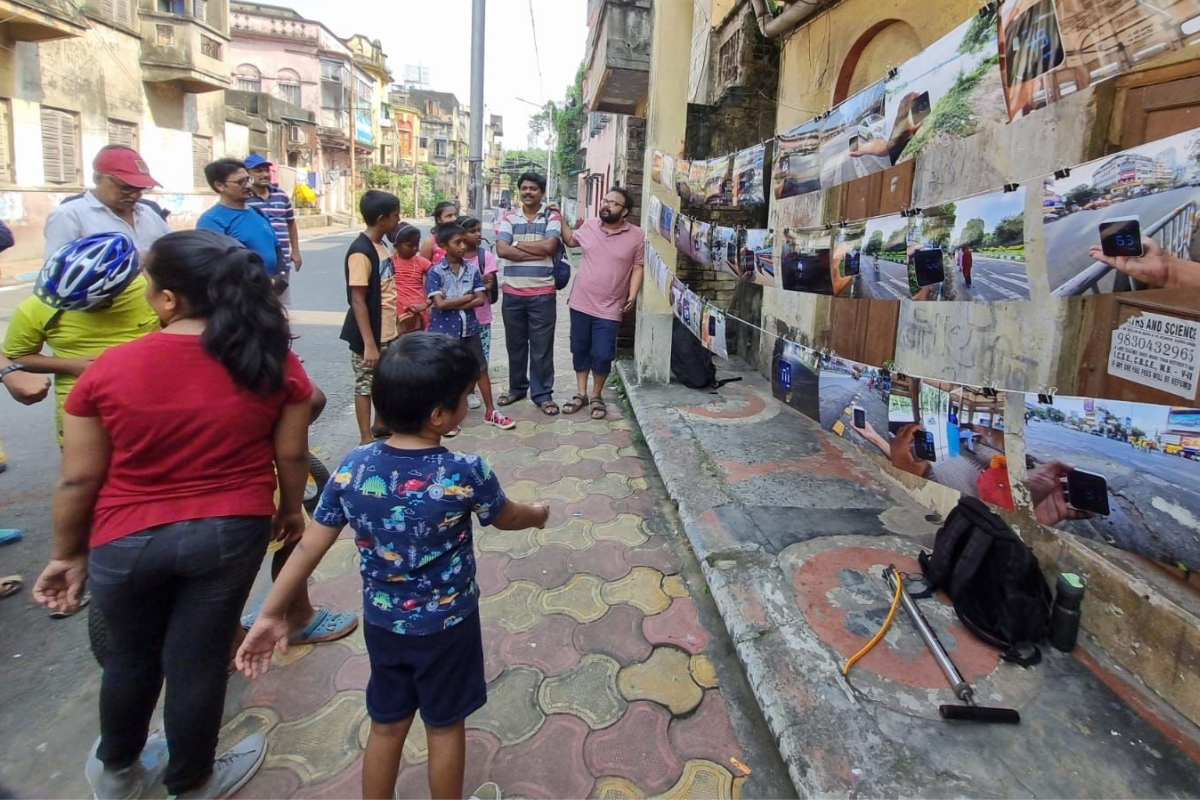
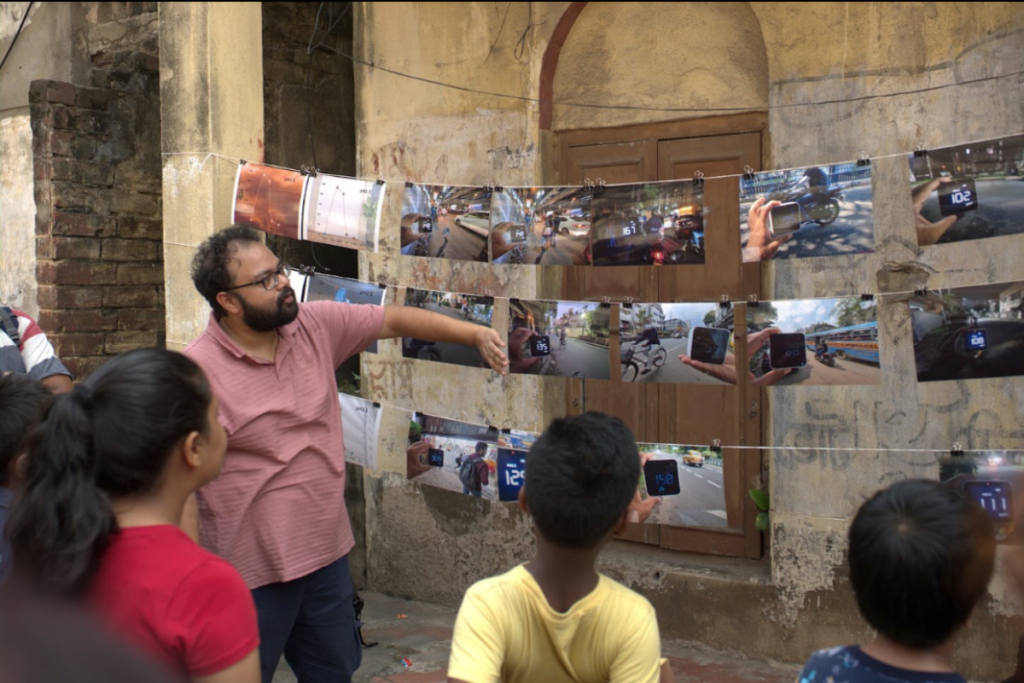
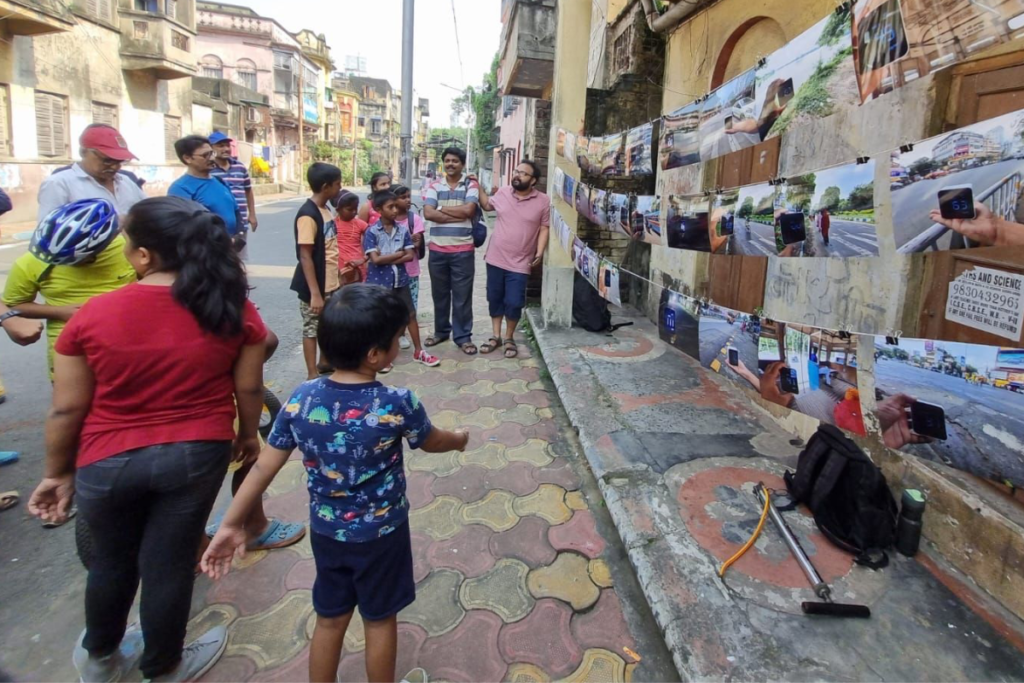
Our Climate Awareness Campaigns use art, science, and community participation to make climate change visible and relatable. Through street photography exhibitions, public art performances, and live environmental demonstrations, we encourage people to engage with climate issues in meaningful ways. Our campaigns have included open-ground street art where citizens actively participated in creating climate-themed artworks, as well as live PM2.5 air quality monitoring on bicycles during Diwali, helping people understand the real-time impact of air pollution in their own neighbourhoods.

Where We Are Doing This
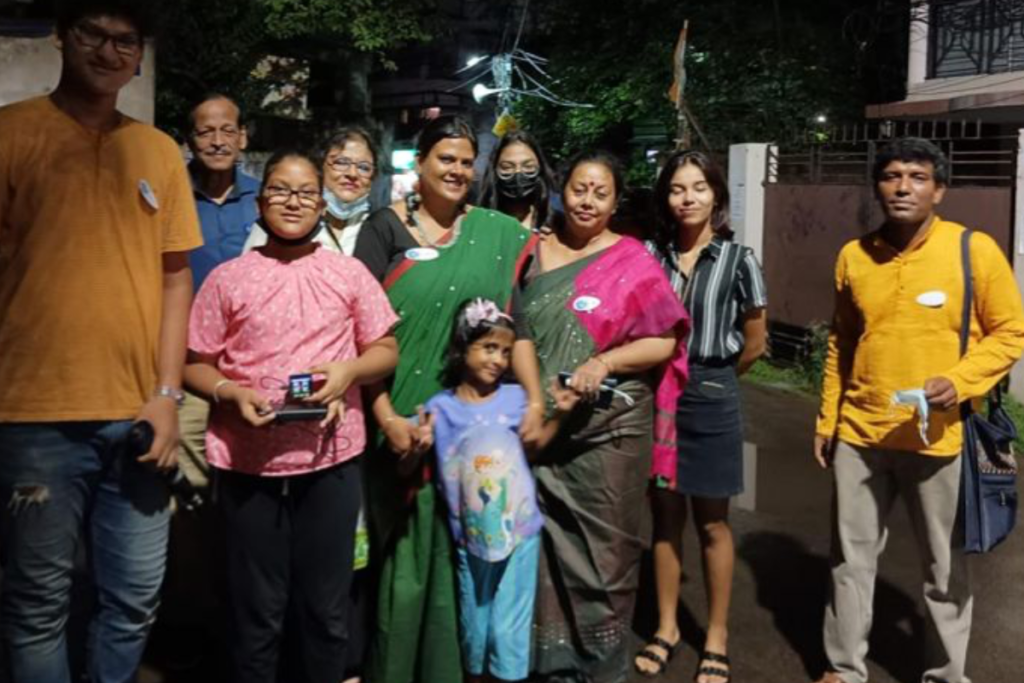
Through creative public engagement, our campaigns have encouraged thousands of people to experience climate change in a more personal and interactive way. By combining art, citizen participation, and real-time environmental monitoring, we have created platforms that spark conversations, raise awareness, and inspire community involvement. Our initiatives continue to demonstrate that meaningful climate action begins when people are encouraged not only to learn about environmental challenges but also to experience and participate in addressing them.
How Much Impact We Are Having
Our conservation initiatives have already made notable progress. In the Himalayan salamander project, we have conducted extensive field surveys and stakeholder engagements that have informed our conservation strategies. The introduction of e-DNA monitoring has enabled us to cover more habitats efficiently. In Chupi Char, local community involvement has increased with fishermen trained as birdwatching guides, leading to enhanced eco-tourism opportunities. Our efforts have also included habitat restoration activities that mitigate invasive species threats and promote biodiversity. As a result of these combined actions, we anticipate a significant positive impact on both ecosystems by fostering sustainable practices that benefit wildlife and local communities alike.