The Climate Thinker

Community-Led Wetland Conservation in Chupi Char

Why We Are Doing This

Wetlands are among the world’s most valuable ecosystems, supporting biodiversity, regulating water resources, and sustaining the livelihoods of local communities. Chupi Char Wetland in Purbasthali is a critical habitat for migratory birds and endangered species such as the Fishing Cat. However, increasing human pressures, habitat degradation, and unsustainable resource use threaten the long-term health of this ecosystem. We believe that lasting wetland conservation is only possible when local communities become active partners and directly benefit from protecting these natural resources.

What We Are Doing

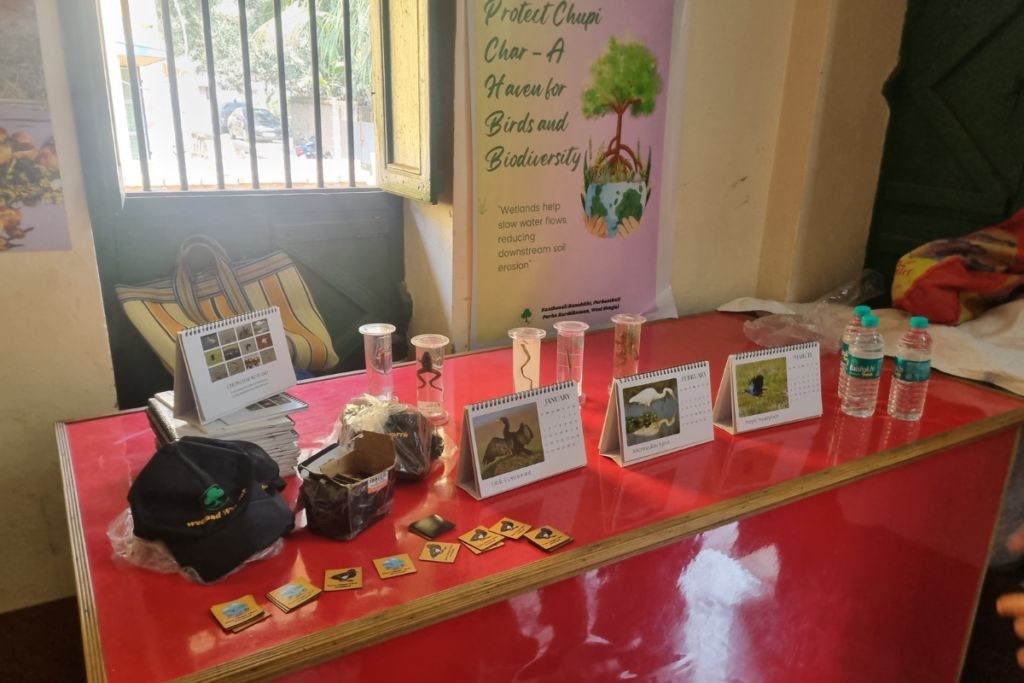
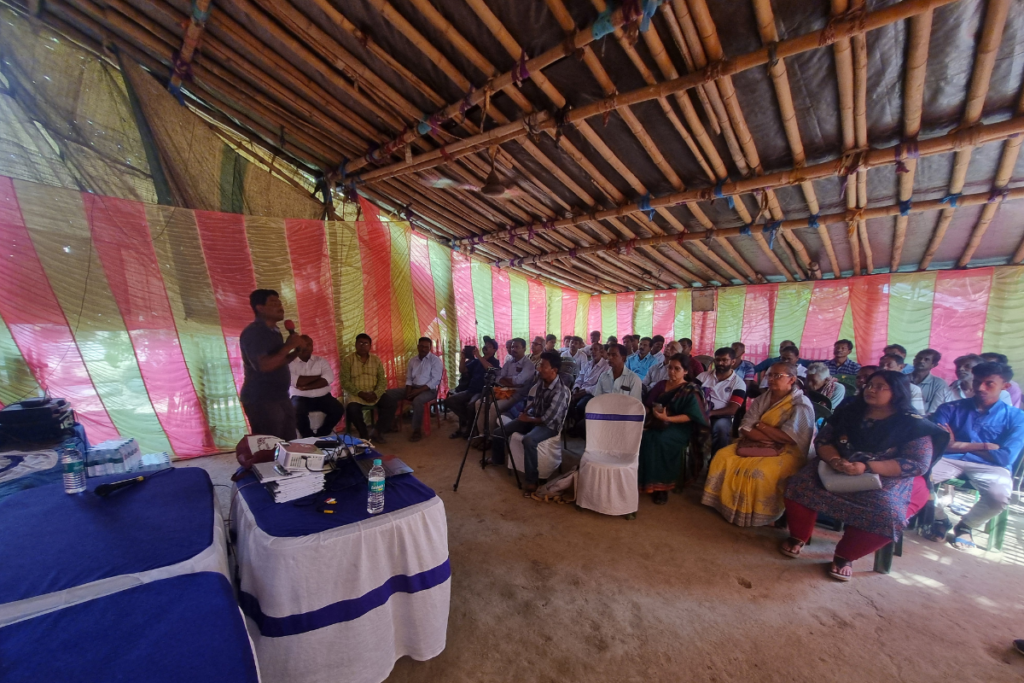
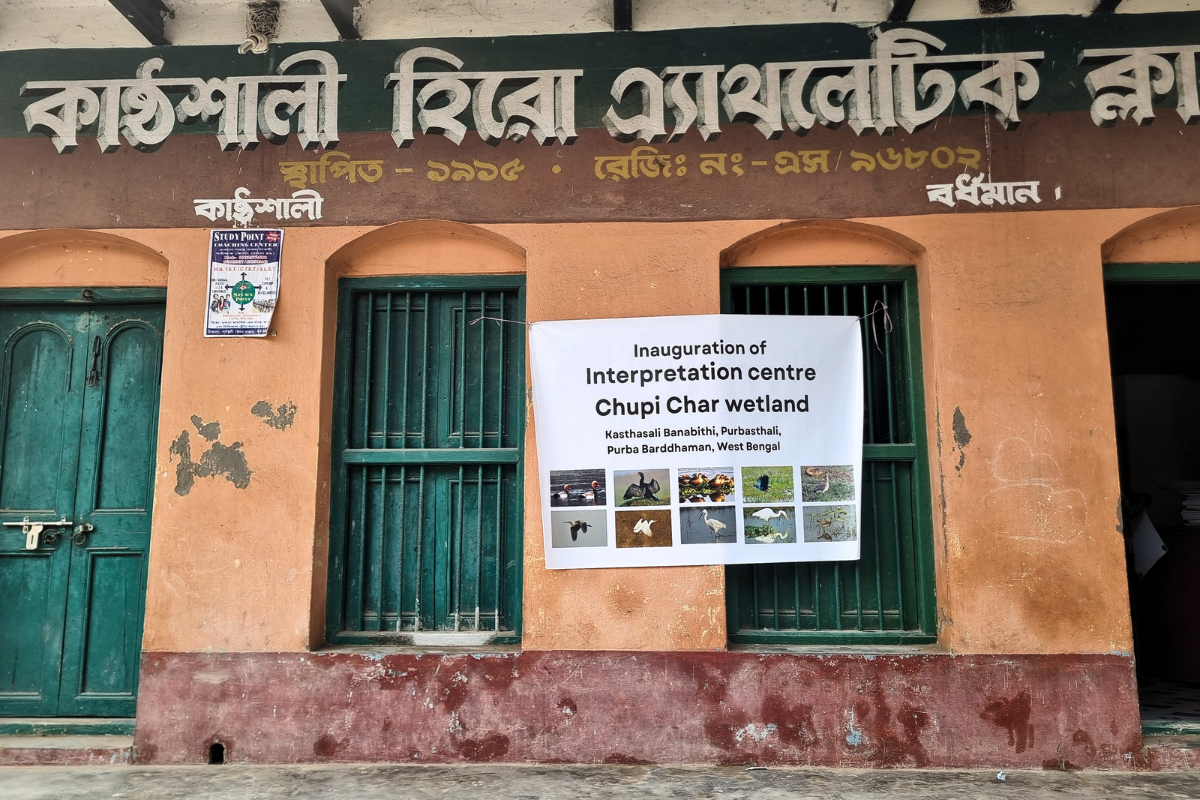
Our initiative strengthens community-led wetland conservation by connecting local livelihoods with biodiversity protection. We work closely with local communities to promote sustainable conservation practices, train fishermen as birdwatching guides to create eco-tourism opportunities, and support habitat restoration activities that reduce the spread of invasive species. Through community participation and capacity building, we are creating sustainable livelihood opportunities while protecting the ecological integrity of Chupi Char Wetland.

Where We Are Doing This

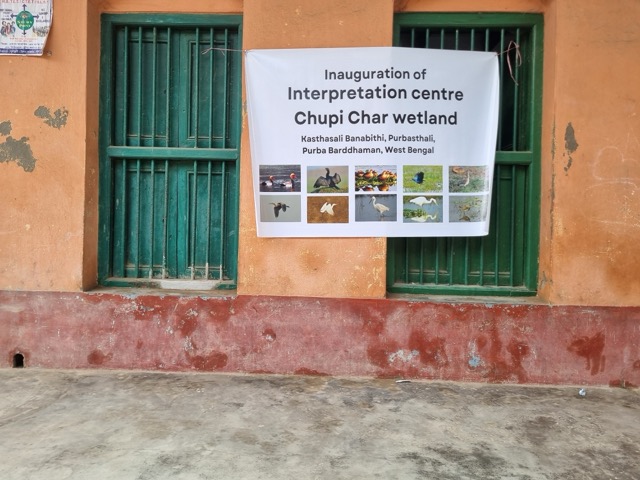
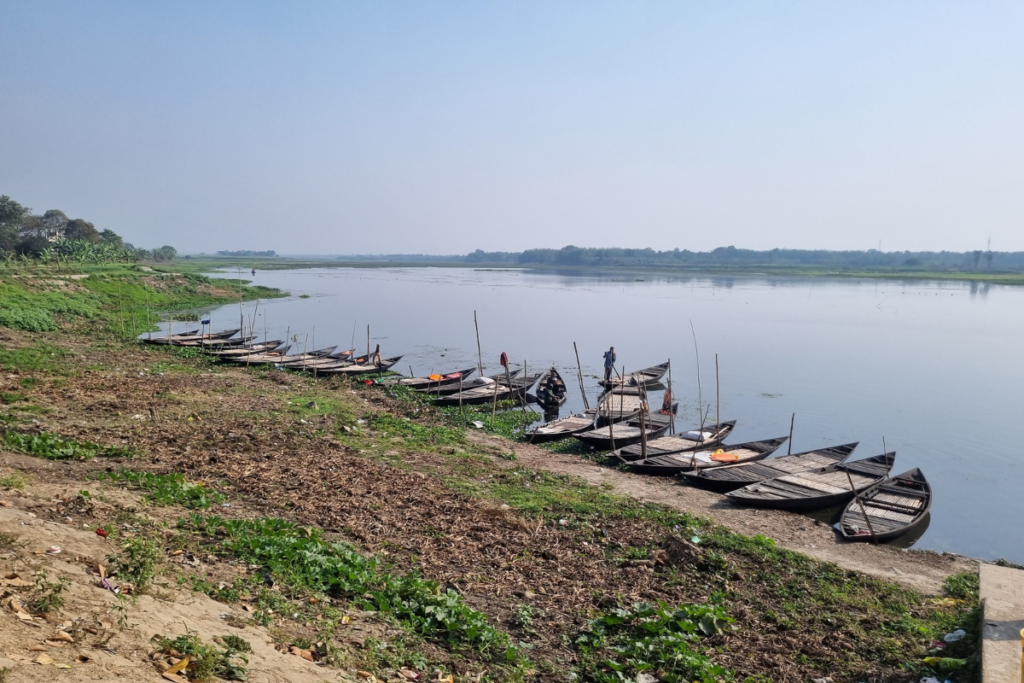
The project is being implemented in Chupi Char Wetland, Purbasthali, West Bengal, an ecologically important wetland known for its rich biodiversity and seasonal congregation of migratory birds. By working directly with local fishing communities and other stakeholders, the initiative promotes conservation while strengthening community resilience and sustainable livelihoods.

How Much Impact We Are Having

Our work has increased local participation in wetland conservation by empowering community members to become stewards of their natural environment. Fishermen trained as birdwatching guides are benefiting from new eco-tourism opportunities, while habitat restoration efforts are improving ecosystem health by addressing invasive species. By linking conservation with livelihoods, the initiative is helping protect biodiversity, support local incomes, and build long-term community ownership of wetland conservation.

Scroll to Top