Invasive species monitoring via eDNA
Why We Are Doing This
Protecting biodiversity begins with knowing which species are present and how their populations are changing. However, traditional wildlife surveys are often time-consuming, expensive, and can disturb sensitive habitats. Environmental DNA (eDNA) offers a non-invasive alternative by detecting genetic material left behind by organisms in water or soil, enabling researchers to monitor species without directly capturing or disturbing them. We use this innovative approach to support scientific research, monitor biodiversity, and inform conservation efforts for both native and invasive species.

What We Are Doing
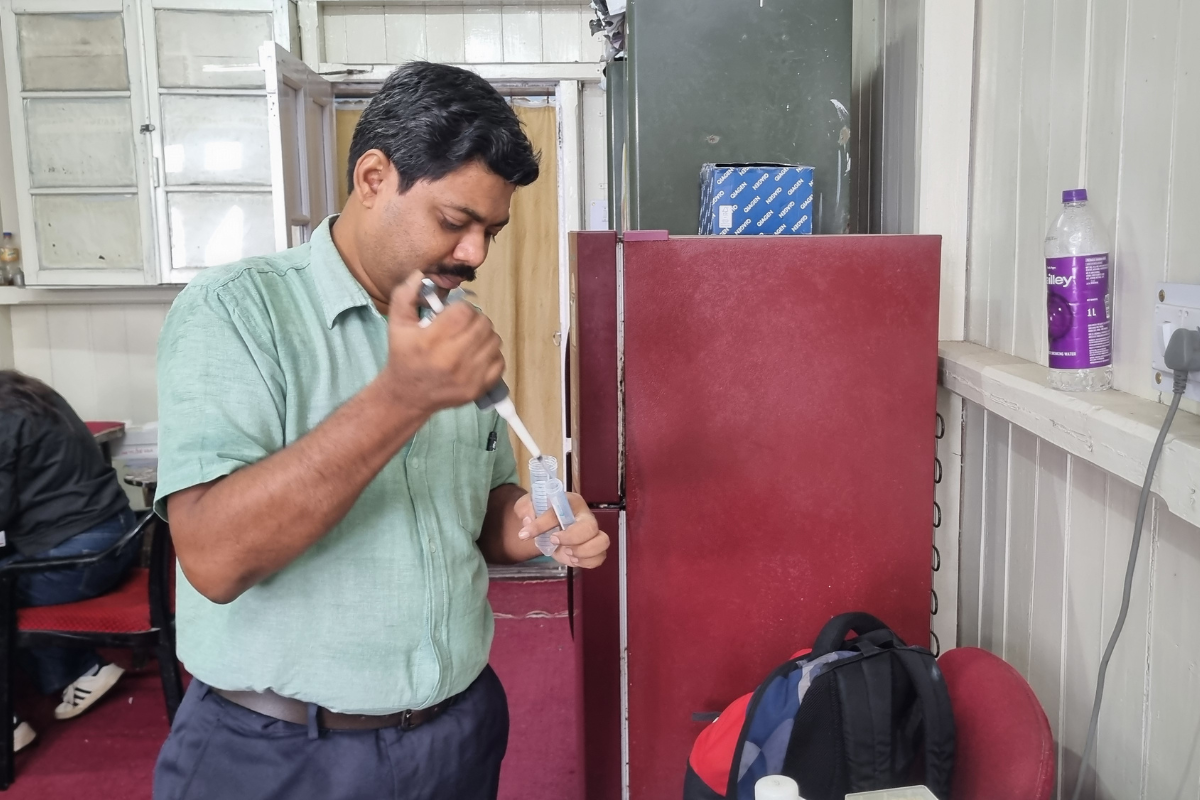
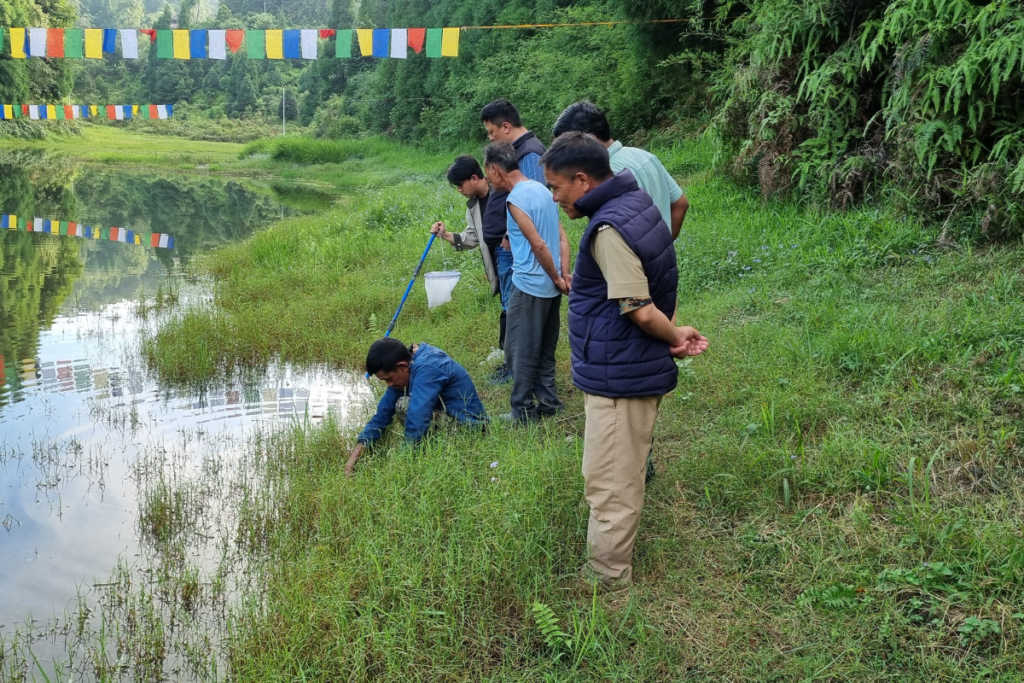
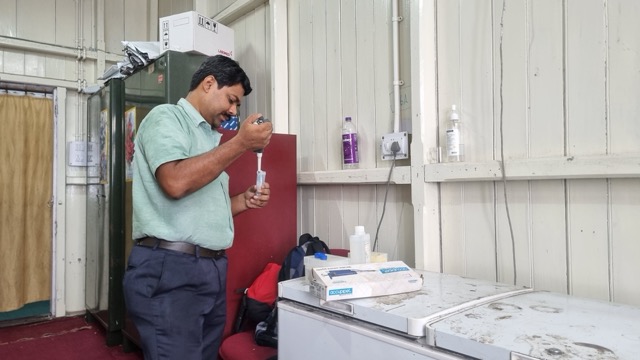
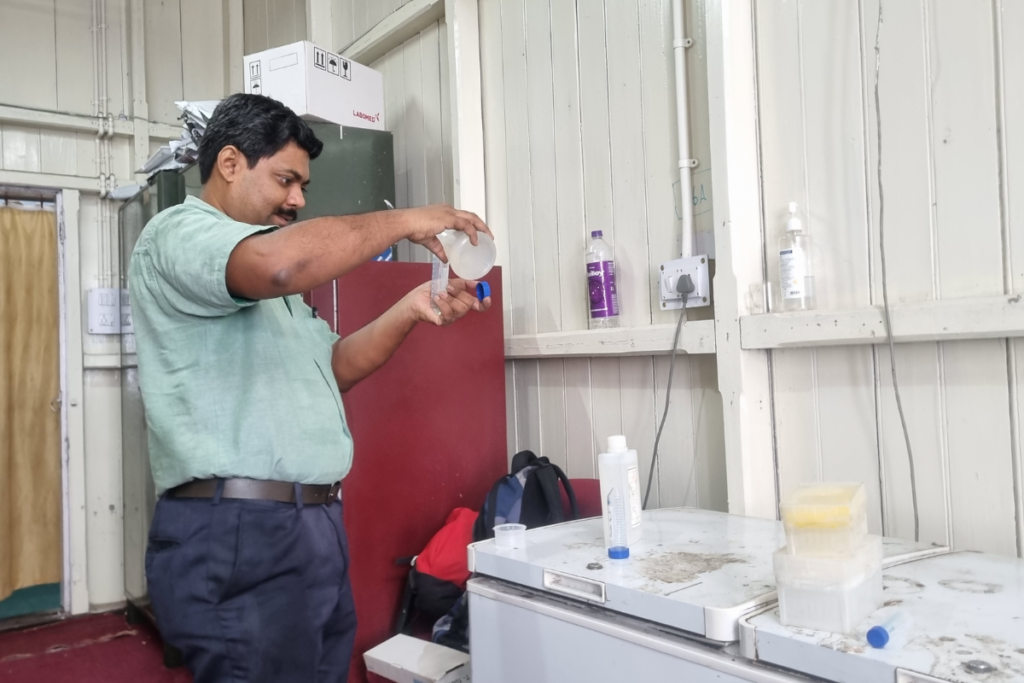
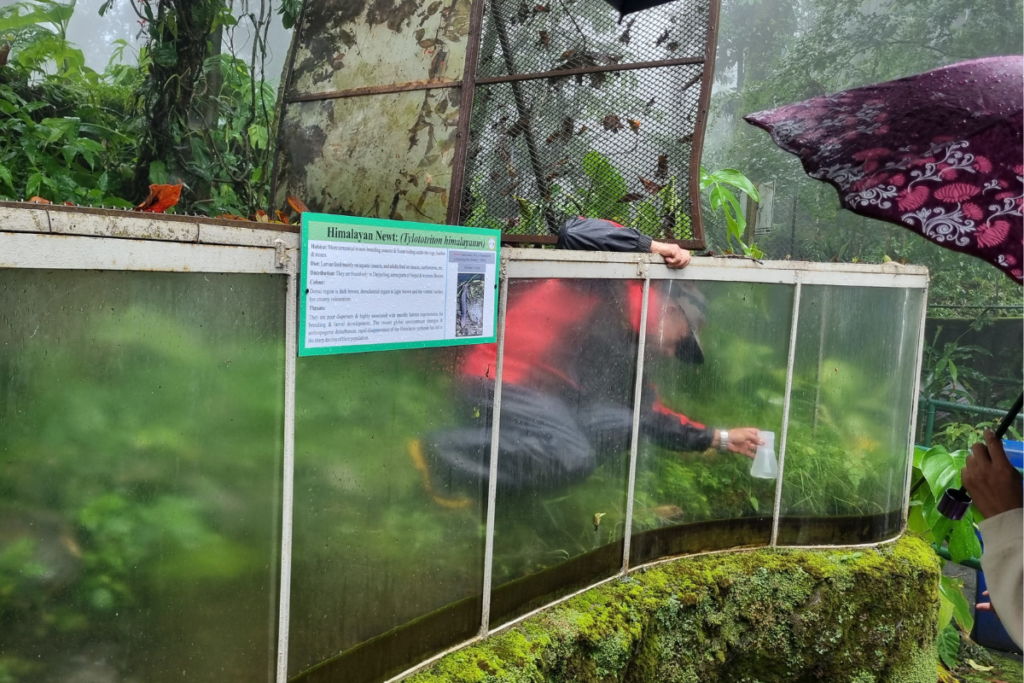
Our eDNA monitoring programme uses advanced molecular techniques to detect species from environmental samples. We collect water samples from rivers and wetlands and analyse them in our laboratory to identify species through their environmental DNA. The programme has been used to monitor the Himalayan Salamander in the wetlands of Darjeeling using non-invasive methods and to detect the presence of the invasive Suckermouth Catfish across different stretches of the River Ganga. Alongside eDNA analysis, we conduct habitat assessments and generate scientific data that support evidence-based conservation and ecosystem management.
Where We Are Doing This
The programme is being implemented in the Darjeeling region, where small wetlands provide critical habitat for the vulnerable Himalayan Salamander, and across the River Ganga, where eDNA is being used to monitor the distribution of invasive Suckermouth Catfish. These studies help strengthen biodiversity monitoring and conservation planning across diverse freshwater ecosystems.
How Much Impact We Are Having
By adopting eDNA technology, we are making biodiversity monitoring faster, more efficient, and completely non-invasive. The approach enables us to survey larger areas, detect species that are otherwise difficult to observe, and generate reliable scientific data for conservation planning. Our work is strengthening research on threatened native species while supporting the management of invasive species, demonstrating how innovative science can contribute to protecting freshwater ecosystems.